AI video editing does not mean a robot makes your video. It means the repetitive parts of editing, the parts with a right answer, are done before you sit down. Knowing which parts those are helps you pick an AI video editor and use it well.
From timelines to transcripts
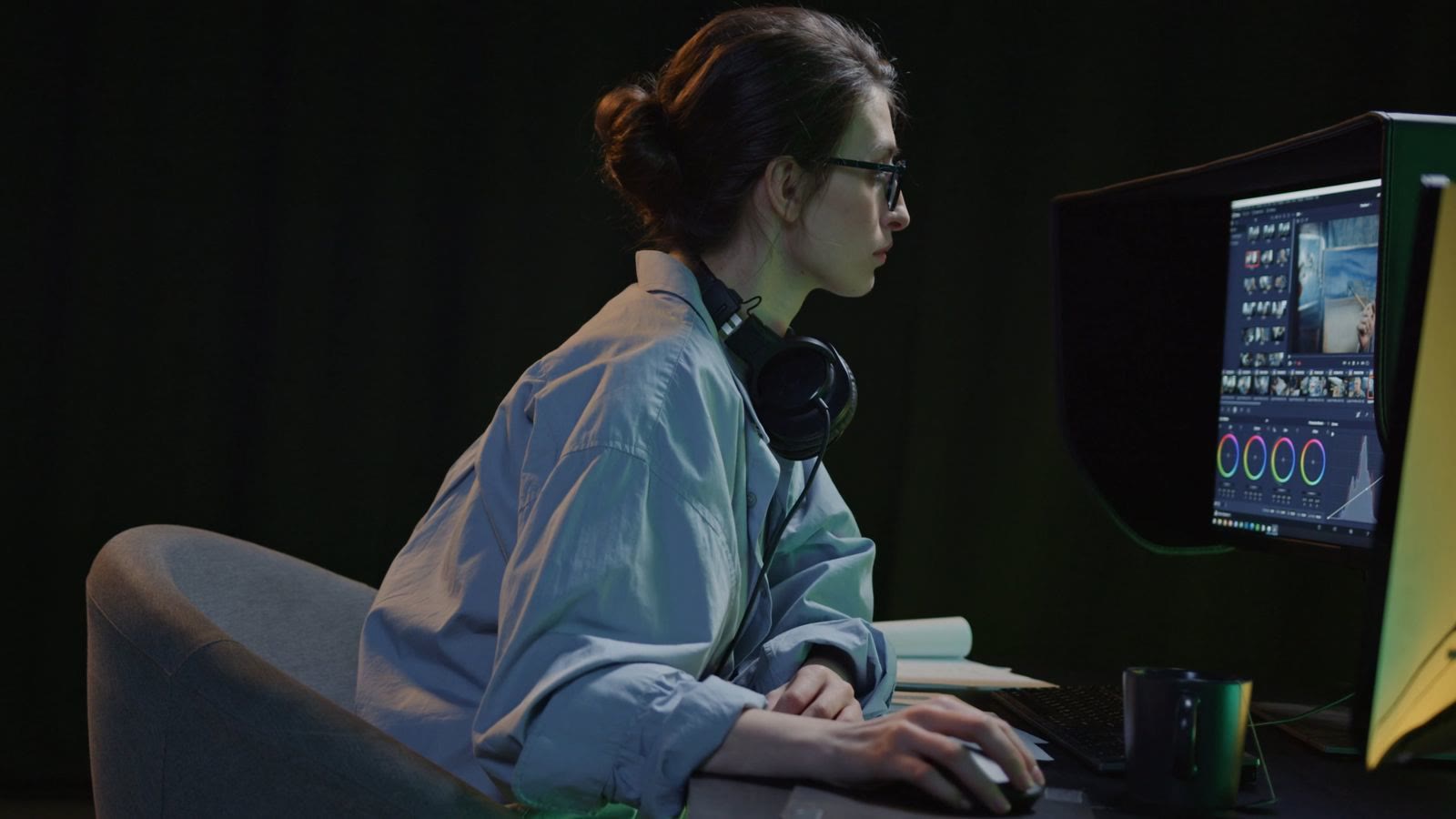
For decades, editing meant a timeline: tracks, razor cuts and a lot of scrubbing back and forth. It is precise, and it is slow, because you have to watch the footage to find anything in it.
Speech recognition changed the starting point. When software knows every word that was said and exactly when, a recording can be searched, skimmed and cut like a document. Most of what is called AI video editing today is built on that one step.
What AI does well
These jobs follow rules, and software is now reliable at them.
- Transcription. Speech becomes text with word-level timing, in dozens of languages.
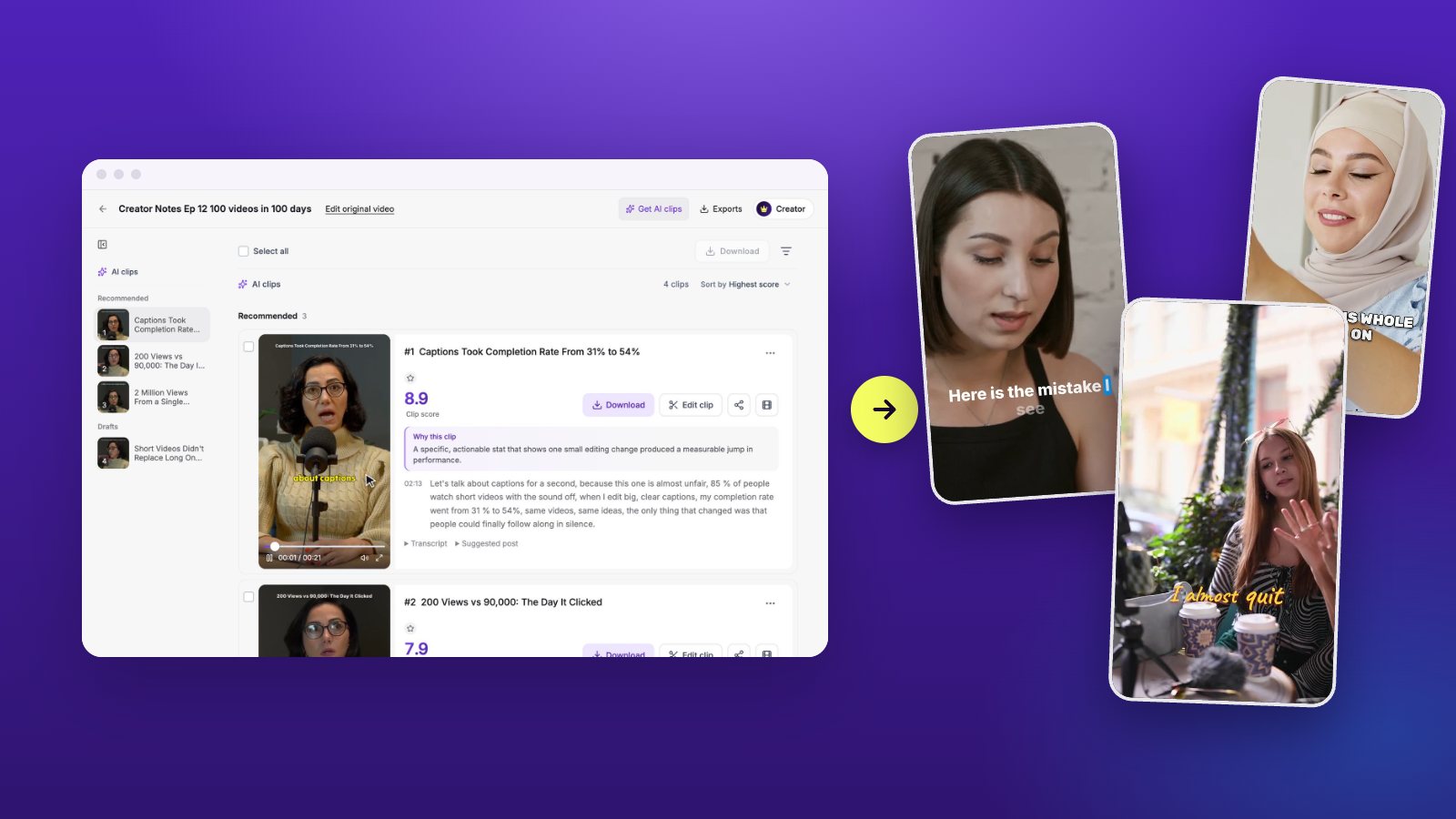
- Finding highlights. A model reads the transcript and proposes moments that are complete and worth sharing.
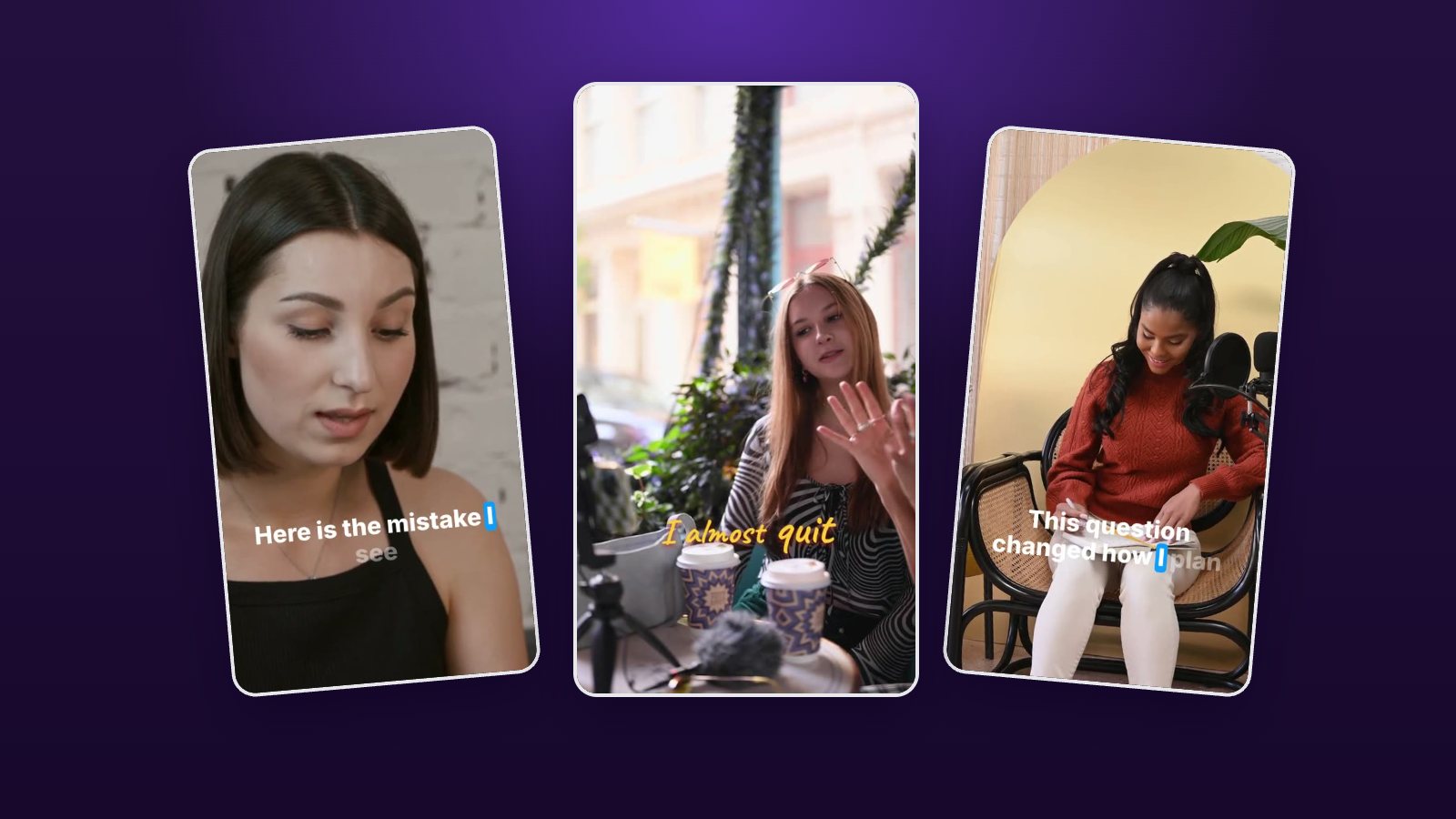
- Captions. Timed, styled, and animated word by word.
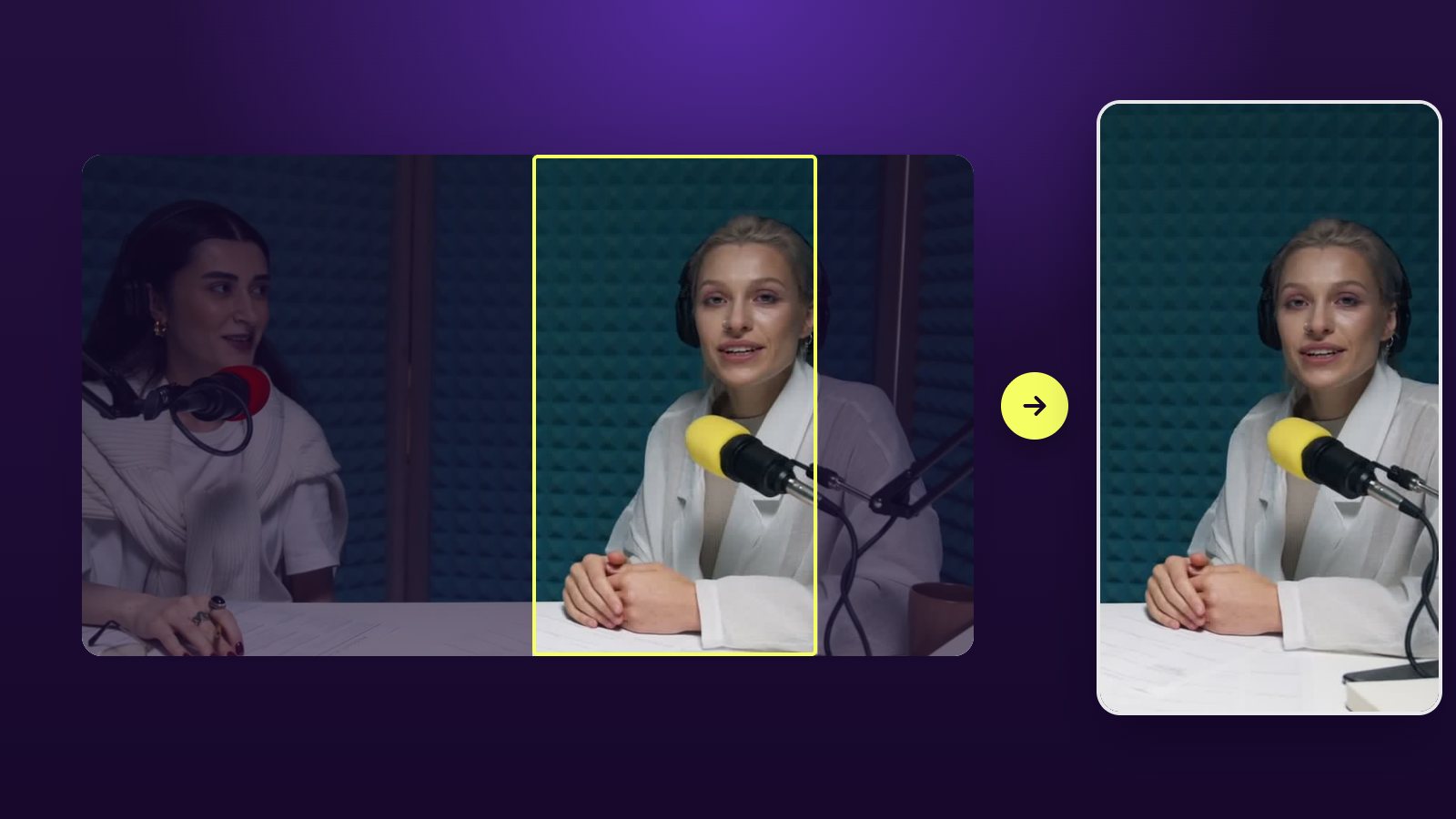
- Reframing. Faces are detected and the frame follows the active speaker when the aspect ratio changes.
- Cleaning up. Long silences and filler can be removed in one pass.
- B-roll and emoji. The model reads what is said and suggests footage or emoji that match.
What still needs you
Judgment. An AI can say a clip is clear and self-contained. It cannot know which opinion you want to stand behind, which joke fits your audience, or which customer story you are allowed to share.
A good AI video editor is honest about this. It should show its reasoning, make every automatic choice easy to undo, and leave the final cut to you.
Where AI editing goes wrong, and how to catch it
Automatic does not mean correct. These are the usual slips, and each takes seconds to check.
- Names, brands and numbers in captions. Read them once; they are where transcripts fail most.
- Silence removal that is too eager. Speech with every pause cut out sounds breathless. Keep a beat after a strong line.
- B-roll that matches a word and misses the meaning. “Apple” the company is not a fruit.
- Reframing during fast movement or when two people talk over each other. Watch those moments in the preview.
- Too much decoration. An emoji on every line and a color on every third word make captions harder to read.
Edit by text: the idea behind most AI editors
Once every word has a timestamp, the transcript becomes the editing surface. Delete a sentence and the video is cut. Fix a caption and the timing stays. This is why AI editing feels closer to editing a document than a film.
Vidoveli keeps a timeline too, because some things are easier to place by eye: a logo, a music bed, a transition between two shots. Text for the words, timeline for the rest.
A workflow that keeps you in control
The tools work best when the AI drafts and you decide. A routine that holds up in practice looks like this.
- Let the AI make the first pass: transcript, suggested clips, captions and framing.
- Review in the order of the scores, and read the reason given for each clip.
- Fix the words first, by text. Then fix what you see: frame, captions, B-roll.
- Watch each clip once from start to end before you export. Nothing replaces that.
How to judge an AI video editor in ten minutes
Bring one real recording and check four things.
- Open the first clip. Does it start and end on a complete thought?
- Change one word in a caption. Is it one click, or a hunt through menus?
- Switch a two-person clip to 9:16. Does the frame follow the speaker?
- Export. How long does it take, and is the result what you saw in the preview?
Who gets the most out of it
Anyone who records people talking. Podcasters and interviewers get clips from every episode. Teachers and coaches turn long lessons into single-idea videos. Marketing teams get more from each webinar, demo and customer call. Agencies deliver more clips per client without adding editors. The less your video depends on visual effects and the more it depends on what is said, the more time AI editing gives back.
Where this is going
Models are getting better at understanding what makes a moment land, and editing will keep moving from frames to meaning. The useful question for a creator stays the same: does this tool give me back time without taking away control? That is the bar we hold Vidoveli to.